Power outages can stop daily routines quickly, especially when a home or business depends on electricity for comfort, refrigeration, communication, and safety. Two common backup power options are emergency generators and standby generators, and the right choice depends on how much protection you need.
What Is an Emergency Generator?
An emergency generator is typically used as a temporary source of backup power. Portable units can support select appliances, lights, or tools, but they usually require manual setup, safe outdoor placement, fuel management, and extension cords or a properly installed transfer connection.
Emergency generators can be useful for short-term needs, but they are not usually designed to power an entire home automatically. They also require someone to be present, start the unit, and manage the load safely.
What Is a Standby Generator?
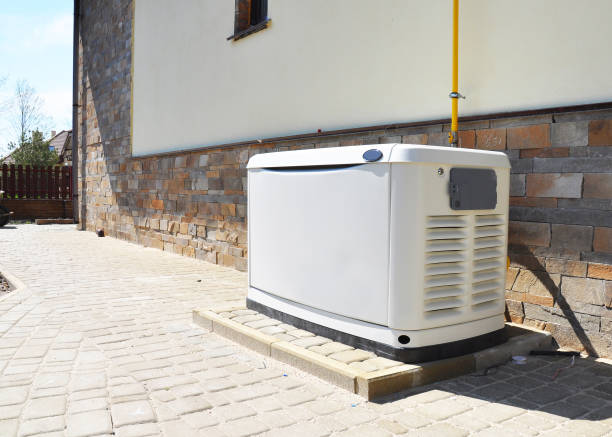
A standby generator is permanently installed outside the home or business and connected through an automatic transfer switch. When utility power fails, the system detects the outage, starts the generator, and transfers power to selected circuits or the whole home.
Standby systems are built for dependable protection during extended outages. They can run on natural gas or propane and are sized around the electrical load of the property.
Choosing the Right Option
If you only need temporary power for a few essentials, an emergency generator may be enough. If you want automatic backup power that protects comfort, appliances, security systems, and daily routines, a standby generator is usually the stronger long-term solution.
HMC Generators can help review your home, panel, fuel source, and backup priorities so you can choose a system that fits your needs.